What Happens When a Child Hears Their Own Recitation?

Written by The Rushd editorial team · Reviewed by Mahmoud Al-Maghrabi, certified (ijazah) in the Quran
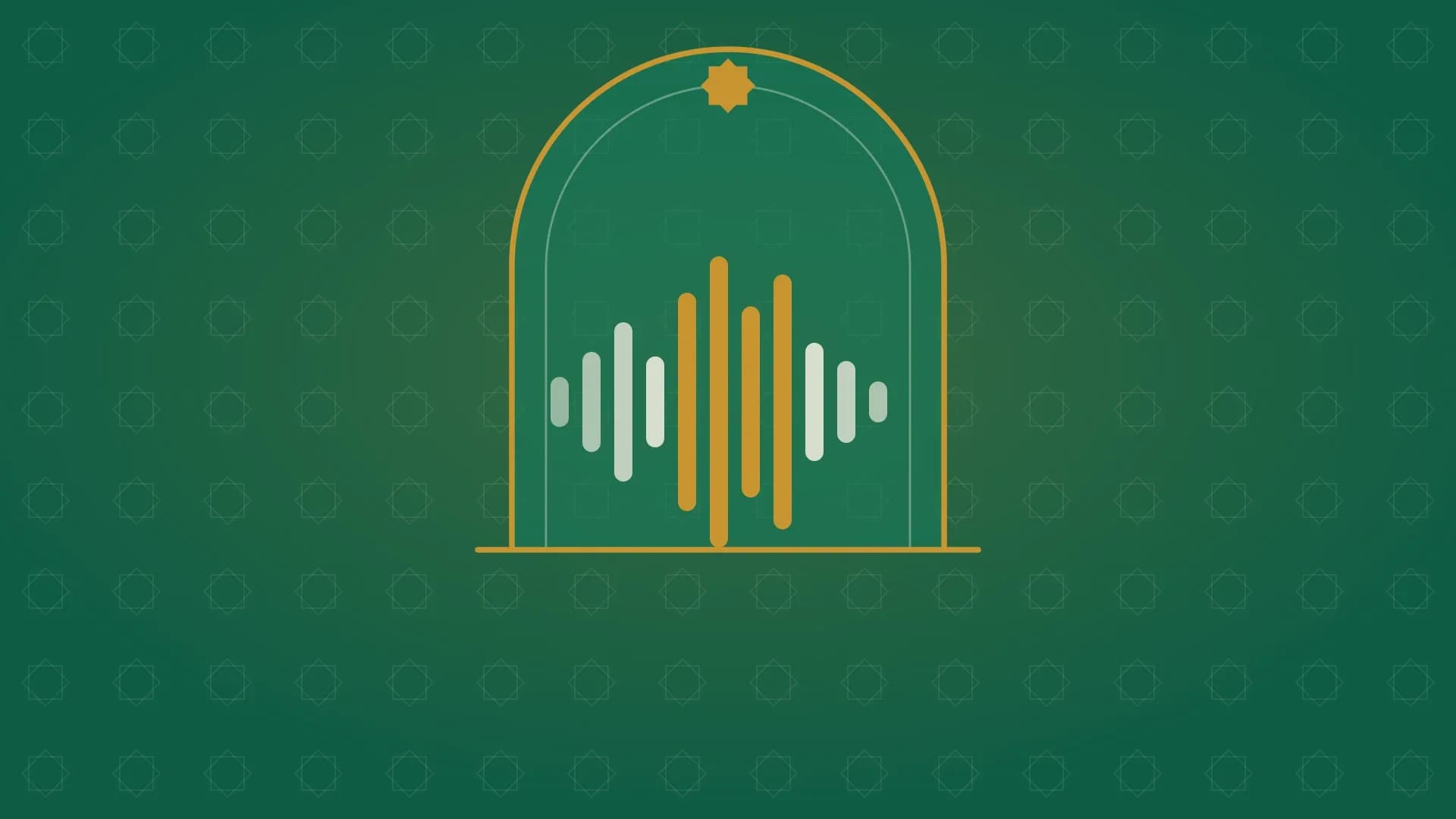
Voice homework at Rushd: after the lesson, the teacher sets what the child reviews at home. The child records their reading, hears themselves, and self-corrects, then the teacher replies with a gentle voice message. It reinforces memorization and polishes recitation, and gives parents real reassurance without asking them to be teachers.
- The best part of voice homework is not only that the teacher hears the child, but that the child hears themselves, really listening, for the first time.
- You are not asked to be teachers.
- steady little by little is better than a lot all at once
In this article
The best part of voice homework is not only that the teacher hears the child, but that the child hears themselves, really listening, for the first time.
How does it work?
After the lesson, the teacher sets what the child will review at home. The child records their reading in their own voice in the family portal, and the teacher listens and replies with gentle correction and encouragement. After every lesson you also get a short report that stays saved in the portal.
The best part of voice homework is not only that the teacher hears the child, but that the child hears themselves, really listening, for the first time.
When the child becomes their own corrector
During regular reading in the lesson, a child is sometimes in a hurry to finish the line. But the moment they press the record button and listen back to their voice, they suddenly become their own corrector. Many mothers tell us, laughing, that their child re-recorded a short passage several times, because each time they heard themselves and said: "No, I rushed here... I'll do it again to make it better!"
These automatic repeats, which the child does willingly and without anyone asking, reinforce memorization and polish recitation, and leave the child feeling proud as they send in their "best version" of their recitation.
Why does a voice reply from the teacher make such a difference?
A written message with an encouraging sticker or the word "excellent" does not mean much to a young child. But when a voice message arrives from their teacher, starting with their name and her familiar tone, and commenting on a small detail in their reading, such as "I really liked how you showed the ghunnah in the last word, it was wonderful!", everything changes:
You are not asked to be teachers.
For the child: They smile right away, and many children replay the teacher's message more than once, and some run to play it for their father when he gets home from work. The child feels their teacher has not forgotten them after the lesson ended, and that she listens with real attention.
For parents: The voice reply gives mothers and fathers reassurance that there is real follow-up, not just "attendance taking." Most importantly, it lifts the burden of "correcting and repeating" off the mother at home; when the teacher sends a gentle correction for a word the child got wrong, the child accepts it graciously and practices it again with enthusiasm, far from the tension of daily drilling at home.
What is your role?
You are not asked to be teachers. It is enough to set up a quiet corner and a few minutes, be glad about what your child recorded, and ask the teacher for her recommendation. Start with a short recording; steady little by little is better than a lot all at once. And if you want your child to love the Quran even more, read how to help your child love the Quran online.
Has your child ever re-recorded something twice on their own? Tell us about it. Book a free trial lesson, with no card and no commitment.
Frequently asked questions
How does voice homework work?
After the lesson, the teacher sets what the child reviews at home. The child records their reading in their own voice in the family portal, and the teacher listens and replies with gentle correction and encouragement. After every lesson you also get a short report that stays saved in the portal.
Do I have to be my child's teacher at home?
No. It is enough to set up a quiet corner and a few minutes, be glad about what your child recorded, and ask the teacher for her recommendation. Steady little by little is better than a lot all at once, so start with a short recording.
Why is a voice reply from the teacher better than a written message?
A written message with the word "excellent" does not mean much to a young child. A recording in the teacher's familiar tone, with a comment on a small detail in their reading, makes the child feel she is listening with real attention, and they accept correction with enthusiasm.
Can I try this before signing up?
Yes. Book a free trial lesson with no card and no commitment, and get to know the teacher and how follow-up works after the lesson.
Ready to start your children's journey?
Book a free trial and apply what you've read with an expert, specialized teacher rooted in the ijazah and sanad tradition.
Book a free trial